https://www.nationalgeographic.com/travel/article/top-10-things-to-do-in-mexico-city
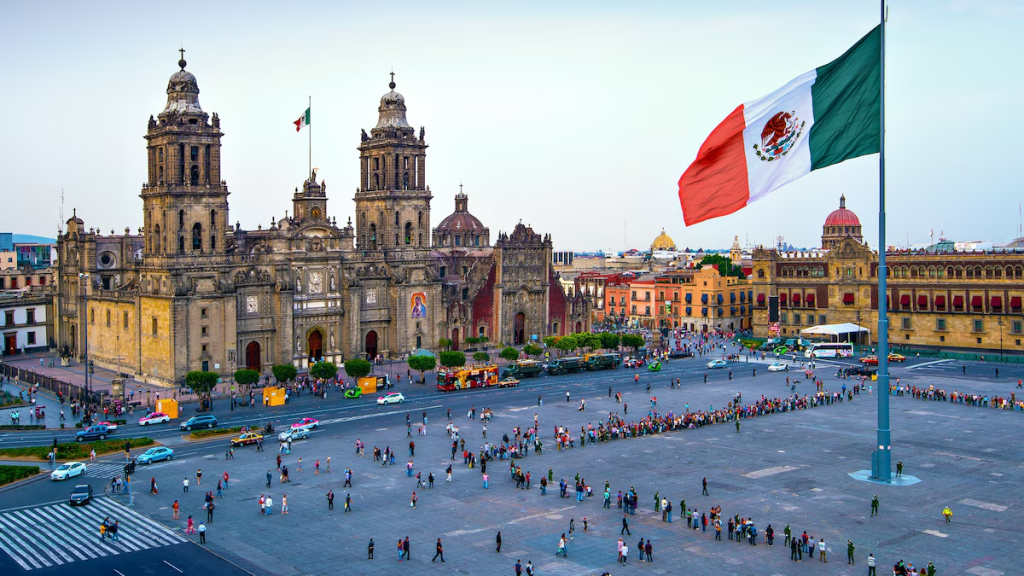
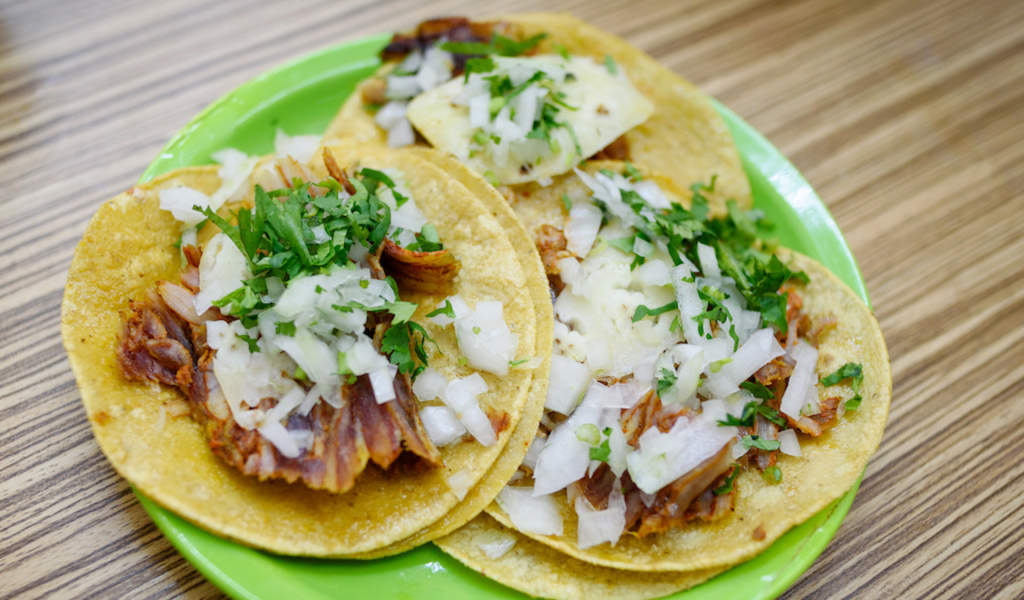
Back in 2022, I went to Mexico City with two friends, Luis, who’s Mexican and grew up in CDMX, and Erick, who’s from Miami with Cuban parents. Because we stayed at Luis’s house, the whole trip felt way more local than anything I’d done before. We spent the week eating ridiculous amounts of tacos, exploring different neighborhoods, going out at night, and even watching horse races at the Hipódromo. It didn’t feel like a vacation; it felt like stepping into someone else’s everyday life.

Since it was still close to the pandemic, the whole city had this energy of people trying to live again, which connected perfectly with what Feliba describes in his article about Buenos Aires’ tango clubs reopening. He talks about how people weren’t just returning to dance, they were returning to feel normal again, to reconnect with each other. Mexico City felt exactly like that. Restaurants were packed, nightlife was booming, and there was this excitement everywhere, whether we were eating tacos al pastor at 1 a.m. or standing by the racetrack watching crowds shout for their favorite horse. You could tell the city was still recovering, but also refusing to slow down.
https://culinarybackstreets.com/stories/mexico-city/top-tortillas
Traveling with Luis and Erick also made me think a lot about what Mallet and Pinto-Coelho say about Latino identity, not as one unified block but as a mix of differences shaped by national background and experience. For Luis, CDMX was home. He understood every detail of the city: slang, food spots, inside jokes, social cues. Erick, even though he grew up in Miami surrounded by Cuban culture, felt connected but also slightly outside the Mexican context. And I was somewhere in between, Latin American, but not from Mexico, trying to understand it through both of them.
Seeing how each of us reacted to the same place in different ways made the reading feel real. Latinidad isn’t one thing; it shifts depending on who you are, where you come from, and how you move through the world. That 2022 trip showed me that sometimes the best way to understand these readings isn’t in the classroom, it’s by traveling with friends who carry their own versions of Latin America with them.
References:
Feliba, David. “Masks and Distance Were Hard. Now Argentina Is Returning to the Tango.” The Washington Post, 13 Oct. 2022.
Mallet, Marie L., and Joanna M. Pinto-Coelho. “Investigating Intra-Ethnic Divisions Among Latino Immigrants in Miami, Florida.” Latino Studies, vol. 16, 2018, pp. 91–112.





 Habla, Barrio